
Some plumbing leaks are obvious, but others can stay out of sight while causing damage behind walls, beneath floors, or underground. Knowing the most common hidden water leak signs can help you identify a potential problem sooner and take action before it leads to more extensive damage. At Gwyn Services, we help homeowners track down hard-to-find leaks and determine the right solution. If you suspect a leak in your home, call us at 336-774-1818 to schedule professional plumbing service.
1. Your Water Bill Suddenly Increases
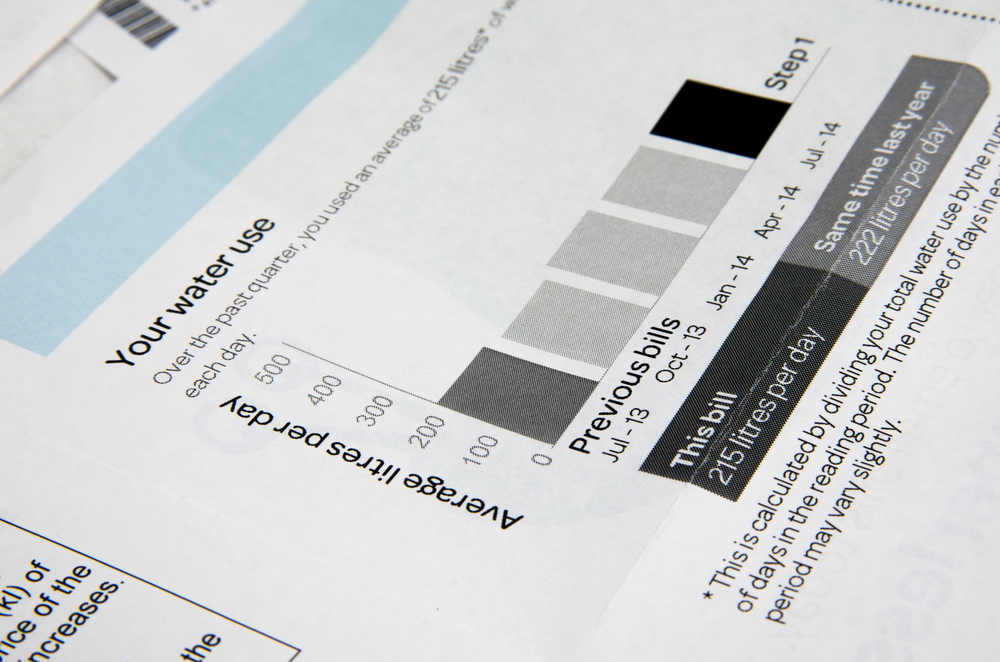
One of the first signs of a water leak may show up on your monthly utility bill. If your household’s water habits haven’t changed but your water usage suddenly increases, a leak could be responsible.
Even a relatively small hidden water leak can waste a surprising amount of water when it continues around the clock. Compare your recent bills with previous months and consider whether seasonal changes or additional water use could explain the difference. If not, it may be time to investigate.
2. You Hear Running Water When Nothing Is On
Your home should generally be quiet when no faucets, toilets, washing machines, dishwashers, or other water-using appliances are running. If you hear dripping, trickling, or running water when everything is turned off, don’t ignore it.
These sounds can sometimes be signs of a plumbing leak in an area you can’t easily see. Listen carefully near walls, cabinets, bathrooms, and other areas where plumbing lines run.
3. You Notice Damp or Discolored Walls and Ceilings
Water doesn’t always appear directly beneath the source of a leak. It can travel along pipes, framing, and other materials before becoming visible.
Watch for changes such as:
- Yellow or brown water stains
- Bubbling or peeling paint
- Peeling wallpaper
- Damp or soft drywall
- Unexplained discoloration on walls or ceilings
These changes can indicate a water leak behind wall surfaces or above the ceiling. Addressing the source promptly can help prevent the moisture from spreading and causing additional damage.
4. Your Floors Feel Damp, Warm, or Unusual
Changes to your flooring can also signal a plumbing problem. Depending on the type of flooring in your home, you might notice:
- Warped or buckling wood
- Loose or lifting flooring
- Damp carpet
- Soft spots
- Unexplained moisture
- Areas that feel unusually warm
Because plumbing lines may run beneath flooring or slabs, the source isn’t always obvious. Professional water leak detection can help us narrow down the location without relying solely on visible clues.
5. You Smell a Persistent Musty Odor
A musty smell that won’t go away may indicate moisture collecting somewhere it shouldn’t. Hidden moisture creates an environment where mold and mildew can grow, particularly in dark, enclosed spaces.
If you’ve cleaned and ventilated the area but the odor keeps returning, consider whether a plumbing leak could be contributing to the problem. Finding and addressing the moisture source is more effective than simply trying to cover up the smell.
6. Mold or Mildew Appears in an Unexpected Area
Mold and mildew around a frequently used shower aren’t necessarily surprising. Growth on a wall, ceiling, cabinet, or other normally dry area deserves more attention.
Unexpected mold or mildew can be another clue that water is getting into a concealed area. While there are many potential sources of indoor moisture, a plumbing leak is one possibility that should be investigated.
7. Your Water Meter Keeps Moving
Wondering how to find a water leak when there’s no obvious dripping or standing water? Your home’s water meter may provide a helpful clue.
Turn off faucets, water-using appliances, and fixtures throughout your home. Then check the water meter. If it continues to register water use when you know nothing should be running, there may be a leak somewhere in the plumbing system.
This test can tell you that water may be escaping, but it won’t necessarily tell you where. That’s where professional leak detection can help pinpoint the problem.
8. Your Water Pressure Drops
A noticeable change in water pressure can have several possible causes, and a leak is one of them. If a pipe is damaged and losing water before it reaches a fixture, you may experience reduced pressure at your faucets or showers.
Because low water pressure can also be related to fixtures, valves, mineral buildup, or other plumbing issues, it’s best to have the system evaluated rather than assuming a leak is the cause.
9. You Notice Wet or Unusually Green Areas Outside
Not every hidden leak occurs inside your home. Water lines running beneath your property can develop problems, too.
Potential warning signs outside your home include:
- Consistently soggy areas in the yard
- Unexplained puddles or standing water
- Patches of unusually green grass
- Grass that grows noticeably faster in one area
- Wet areas when there hasn’t been recent rain
These can sometimes indicate an underground water leak. Because the affected pipe is buried, identifying its precise location can be challenging without the right equipment. Our team can investigate the problem and recommend the appropriate next steps.
10. You See Unexplained Property Damage
Over time, leaking water can affect drywall, flooring, cabinetry, trim, and other materials throughout your home. You might notice cracking, swelling, staining, deterioration, or other changes without an obvious explanation.
Repairing the visible damage alone won’t solve the problem if water is still leaking. We recommend identifying and repairing the source first so you aren’t repeatedly fixing damage caused by the same underlying issue.
How to Find a Water Leak in Your Home
If you suspect a leak, start with the areas you can easily inspect. Before calling a plumber, you can look for a few common clues:
- Check under sinks for moisture or dripping water.
- Look around toilets for water or signs of damaged seals.
- Inspect the area around your water heater.
- Check behind accessible water-using appliances.
- Look at exposed pipes for moisture, corrosion, or stains.
- Review your recent water bills for unexplained increases.
- Check your water meter when no water is being used.
These steps may help confirm that something isn’t right.
However, figuring out how to find a water leak becomes more difficult when the affected pipe is behind a wall, beneath flooring, or underground. Instead of opening walls or floors based on guesswork, professional water leak detection can help locate the source more accurately and determine what repairs may be necessary.
Why Choose Gwyn Services for Water Leak Detection?
When you suspect a hidden plumbing problem, you want to know what’s happening and what needs to be done about it. At Gwyn Services, we combine plumbing experience with leak detection capabilities to help identify problems that aren’t always visible.
Homeowners choose us because we offer:
- Experienced plumbing professionals
- Advanced water leak detection capabilities
- Service for hidden and underground leaks
- An approach designed to minimize unnecessary damage while locating leaks
- Comprehensive plumbing repair services
- Clear communication about recommended repairs
- Local service from an established home-services company
- Convenient scheduling for plumbing needs
Whether you’re dealing with a suspected water leak behind wall surfaces, moisture beneath your flooring, or an issue outside your home, we’ll work to locate the source and recommend an appropriate solution.
Don’t Ignore Hidden Water Leak Signs
A leak doesn’t have to leave a puddle in the middle of the floor to cause problems. Higher water bills, musty odors, damp walls, unusual sounds, reduced water pressure, and unexplained changes around your property can all provide important clues.
If you’ve noticed any of these hidden water leak signs, don’t wait for the problem to become more extensive. Call Gwyn Services at 336-774-1818 to schedule professional water leak detection. We’ll help you identify the source of the problem and determine the right next steps for your home’s plumbing.
Follow us on Facebook and Instagram for the latest plumbing news and tips.