Have you ever been using an appliance, watching television, or working from home when suddenly the power goes out in part of your house? If you’re wondering why circuit breaker keeps tripping, you’re not alone. Circuit breakers are designed to protect your home’s electrical system, but repeated trips can indicate an underlying issue that needs attention. At Gwyn Services, we help homeowners throughout Winston-Salem and the surrounding Piedmont Triad identify electrical problems and find reliable solutions. If your breaker keeps shutting off, call us at 336-774-1818 to schedule professional electrical service.
7 Common Reasons Why Your Circuit Breaker Keeps Tripping
Understanding the common causes of tripped circuit breakers can help you recognize potential electrical hazards before they become more serious. While some problems result from everyday electrical usage, others may involve damaged wiring, faulty equipment, or aging electrical components.
1. Overloaded Electrical Circuit
An overloaded electrical circuit is one of the most common reasons a breaker trips. This happens when too many appliances or devices draw electricity from the same circuit, exceeding its designed capacity.
Common situations that can overload a circuit include:
- Running a space heater and other high-powered appliances on the same circuit.
- Using multiple kitchen appliances simultaneously.
- Connecting too many devices to a single circuit through power strips.
- Operating high-demand equipment on circuits that weren’t designed to support it.
When a circuit becomes overloaded, the breaker shuts off power to help prevent overheating. If this happens frequently, we recommend having your electrical system evaluated to determine whether additional circuits or electrical upgrades are necessary.
2. Short Circuits
A short circuit occurs when electrical current follows an unintended low-resistance path, allowing excessive current to flow. This can happen because of damaged insulation, loose connections, or defective electrical equipment.
Signs of a possible short circuit include:
- A breaker that trips immediately after being reset.
- Burning smells near electrical outlets or switches.
- Sparks or visible damage around electrical components.
- Unusual popping or buzzing sounds.
Short circuits can create serious electrical hazards. If you suspect a short circuit, avoid using the affected circuit and contact our team for professional electrical troubleshooting.
3. Ground Faults
A ground fault occurs when electrical current travels along an unintended path to ground. This can create an electrical shock hazard, particularly in areas where moisture is present.
Ground faults may occur in:
- Bathrooms and kitchens.
- Garages and basements.
- Outdoor outlets and electrical equipment.
- Areas with damaged wiring or moisture exposure.
Ground Fault Circuit Interrupters (GFCIs) are designed to quickly interrupt electricity when they detect a dangerous imbalance in current. However, repeated GFCI trips or circuit breaker trips may indicate an electrical problem that requires professional attention.
At Gwyn Services, we can help identify the source of electrical faults and recommend appropriate repairs to improve your home’s safety.
4. Faulty or Damaged Appliances
Sometimes, the problem isn’t your electrical panel or wiring. A malfunctioning appliance may be responsible for repeatedly tripping a breaker.
Appliances that can contribute to electrical problems include:
- Refrigerators and freezers.
- Washing machines and dryers.
- Microwaves and other kitchen appliances.
- Portable heaters and air conditioners.
- Older appliances with damaged electrical components.
If a breaker consistently trips when you operate a particular appliance, the equipment may have an internal electrical fault or draw more power than the circuit can safely provide.
We recommend discontinuing use of a suspected faulty appliance until it has been properly evaluated. If the problem continues after the appliance is disconnected, our electricians can investigate the circuit for additional issues.
5. Aging or Faulty Circuit Breakers
Like other electrical components, circuit breakers can wear out or become damaged over time. Although breakers are designed for long-term operation, age, heat, corrosion, and repeated electrical faults can affect their performance.
Common signs of a faulty circuit breaker include:
- Frequent trips without an obvious electrical overload.
- Visible damage or discoloration around the breaker.
- Unusual heat coming from the electrical panel.
- A breaker that will not reset or remain in the ON position.
These symptoms do not automatically mean the breaker itself is defective. Wiring problems, overloaded circuits, and other electrical faults can cause similar issues.
Our electricians can inspect the affected circuit, evaluate the breaker, and determine whether circuit breaker repair, replacement, or another electrical solution is needed.
6. Electrical Panel Problems
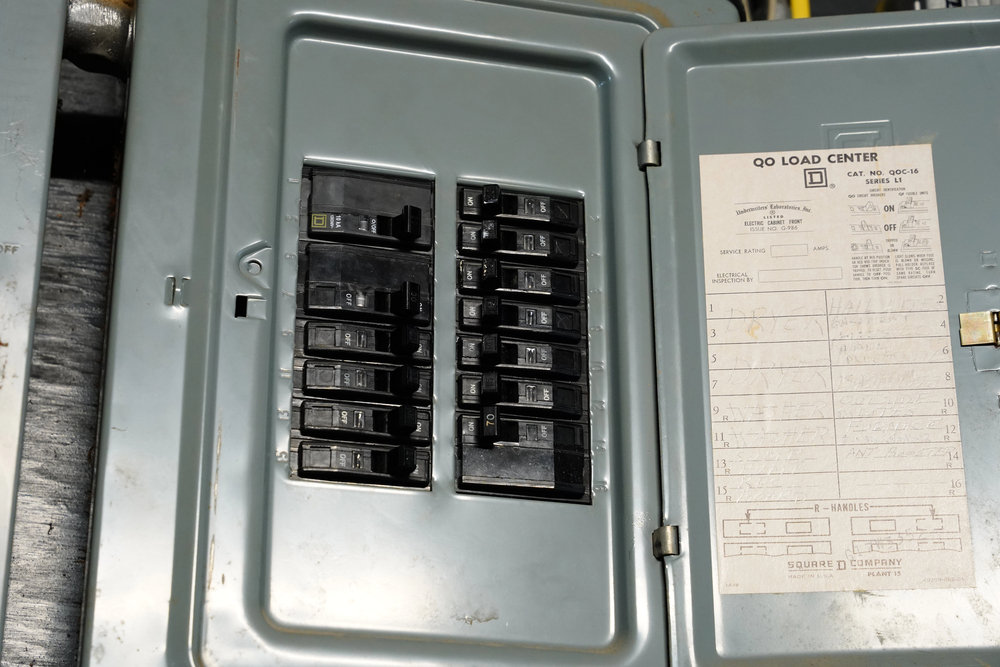
Your electrical panel distributes electricity throughout your home and provides protection through individual circuit breakers. When problems develop within the panel, you may experience repeated breaker trips or other electrical interruptions.
Potential electrical panel problems include:
- Loose or deteriorating electrical connections.
- Damaged breakers or panel components.
- Corrosion or moisture exposure.
- Improperly installed electrical equipment.
- Insufficient electrical capacity for household demands.
Older homes may also have electrical systems that weren’t designed to accommodate today’s appliances, electronics, and other power requirements.
If your electrical panel shows signs of damage, makes unusual noises, or produces a burning smell, professional attention is essential. We can evaluate your electrical system and recommend repairs or upgrades based on your home’s needs.
7. Damaged or Outdated Electrical Wiring
Electrical wiring can deteriorate over time because of aging insulation, physical damage, moisture, or improper modifications. Damaged wiring can contribute to short circuits, ground faults, and other conditions that cause breakers to trip.
Some warning signs of wiring problems include:
- Flickering or dimming lights.
- Discolored electrical outlets.
- Frequent electrical interruptions.
- Burning odors near outlets or switches.
- Breakers that trip even when few appliances are operating.
These problems can be especially concerning in older homes where electrical systems may not have been updated for modern demands.
At Gwyn Services, we can inspect electrical circuits, identify wiring concerns, and recommend appropriate repairs to help keep your electrical system operating safely.
What Should You Do When Your Circuit Breaker Keeps Tripping?
If you’re experiencing a circuit breaker tripping frequently, it’s important to respond carefully. Although a breaker may occasionally trip because of a temporary overload, repeated interruptions should never be ignored.
Safe Steps Homeowners Can Take
If there are no signs of an electrical emergency, you can take a few basic steps to better understand the problem:
- Identify the affected circuit. Determine which lights, outlets, or appliances lost power.
- Check connected appliances. Consider whether several high-powered devices were operating simultaneously.
- Disconnect electrical devices. Unplug or turn off appliances connected to the affected circuit when it is safe to do so.
- Check for visible warning signs. Look for damaged outlets, discoloration, or other obvious concerns without touching exposed electrical components.
- Reset the breaker only if it’s safe. If there are no signs of damage, overheating, or an electrical fault, follow the manufacturer’s instructions for a single reset.
- Contact an electrician if the problem continues. A breaker that trips again may indicate a problem requiring professional diagnosis.
What You Should Never Do
Certain actions can increase the risk of electrical shock, equipment damage, or fire.
Avoid:
- Repeatedly resetting a breaker that continues to trip.
- Installing a higher-amperage breaker to stop electrical interruptions.
- Opening an electrical panel or attempting internal repairs.
- Ignoring burning smells, sparks, buzzing sounds, or excessive heat.
- Continuing to operate appliances that appear to cause electrical faults.
If you notice smoke, sparking, or signs of overheating, stay away from the affected equipment and seek appropriate emergency assistance. Electrical repairs should always be handled by qualified professionals.
When to Call an Electrician for a Tripping Circuit Breaker
Knowing when to call an electrician can help prevent minor electrical concerns from developing into more serious problems.
We recommend scheduling a professional electrical inspection if you notice any of the following:
- Your circuit breaker trips repeatedly without an obvious cause.
- A breaker trips immediately after a reset.
- Lights flicker or dim when appliances operate.
- Multiple circuits experience recurring electrical interruptions.
- Outlets or electrical panels produce unusual sounds or odors.
- Breakers or surrounding electrical components appear damaged.
- A specific appliance repeatedly causes electrical interruptions.
Professional troubleshooting allows us to determine whether the issue involves an overloaded circuit, damaged wiring, defective equipment, or an electrical panel problem.
Rather than simply replacing a breaker, we focus on identifying the underlying cause so we can recommend an appropriate, long-term solution.
Why Choose Gwyn Services for Electrical Repairs?
When electrical problems interrupt your daily routine, you need a team that understands how to diagnose issues safely and efficiently. At Gwyn Services, we’re committed to helping homeowners throughout Winston-Salem and the surrounding Piedmont Triad maintain dependable electrical systems.
Professional Electrical Troubleshooting
Electrical problems aren’t always easy to identify. A breaker that repeatedly trips could indicate several different issues, making professional diagnosis essential.
Our team evaluates electrical concerns, identifies potential safety hazards, and recommends solutions based on the condition of your home’s electrical system.
Comprehensive Electrical Solutions
We understand that electrical problems can involve more than a single breaker. That’s why we take a comprehensive approach to evaluating your home’s electrical needs.
Depending on the issue, our electrical services may involve:
- Circuit breaker evaluations and replacements.
- Electrical panel inspections and upgrades.
- Electrical wiring troubleshooting and repairs.
- Circuit and outlet evaluations.
- Electrical improvements to accommodate changing household needs.
Our goal is to address the source of the problem while helping you maintain a safe and reliable electrical system.
Local Service You Can Depend On
As a company serving Winston-Salem and surrounding North Carolina communities, we understand the importance of dependable home services.
Whether you’re experiencing repeated breaker trips, outdated electrical components, or another electrical concern, we’re here to help you understand your options and make informed decisions about your home.
Frequently Asked Questions About Circuit Breakers
We know homeowners often have questions about electrical interruptions, breaker performance, and potential safety concerns. Below are answers to some common questions. If you need additional information or professional assistance, call Gwyn Services at 336-774-1818.
Is It Dangerous if My Circuit Breaker Keeps Tripping?
Repeated breaker trips can indicate an overloaded circuit, short circuit, ground fault, or another electrical problem. Although the breaker is designed to provide protection, frequent trips should be professionally evaluated to identify potential hazards.
Can a Circuit Breaker Go Bad?
Yes. Circuit breakers can wear out or become damaged because of age, heat, corrosion, or electrical faults. However, repeated trips don’t always mean the breaker is defective. A professional inspection can determine whether replacement is necessary.
Why Does My Breaker Trip When I Plug Something In?
A breaker may trip when you plug in an appliance because the circuit is overloaded, the appliance has an electrical fault, or the wiring has an underlying problem. If the same device repeatedly causes trips, stop using it until the issue is identified.
Should I Replace a Circuit Breaker That Keeps Tripping?
Not necessarily. A tripping breaker may be functioning correctly by protecting your home from an electrical hazard. Before replacing it, we recommend identifying the cause of the repeated trips to determine the appropriate repair.
Can an Overloaded Circuit Cause an Electrical Fire?
Yes. Excessive electrical current can cause wiring and electrical components to overheat. Properly functioning circuit breakers help reduce this risk by interrupting electricity when unsafe current levels occur. Repeated overloads should be addressed rather than ignored.
Protect Your Home by Understanding Why Circuit Breaker Keeps Tripping
Understanding why circuit breaker keeps tripping is an important step toward protecting your home, appliances, and electrical system. Whether the problem involves an overloaded circuit, damaged wiring, faulty appliances, or an aging electrical panel, recurring breaker trips are often a warning that something needs attention.
At Gwyn Services, we believe homeowners deserve safe, dependable electrical systems and straightforward solutions to their electrical concerns. Our team is here to help identify the cause of repeated breaker trips and recommend professional repairs or upgrades that meet your home’s needs.
Don’t let recurring electrical problems put your home at risk. Call Gwyn Services at 336-774-1818 today to schedule professional electrical service in Winston-Salem or the surrounding Piedmont Triad.
Follow us on Facebook and Instagram for helpful home maintenance tips, electrical safety advice, company updates, and more.