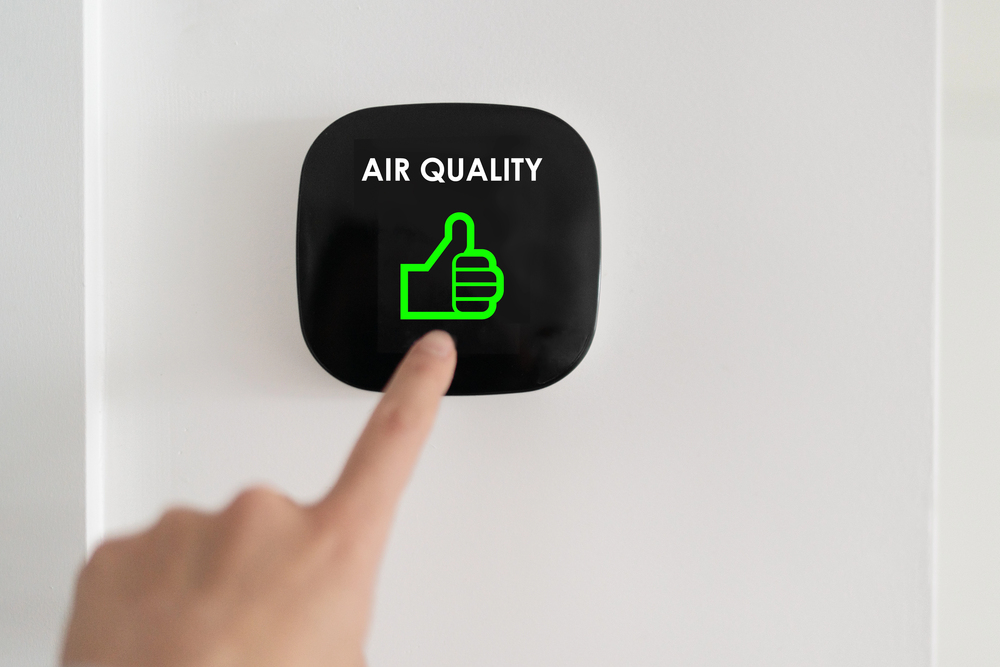
At Gwyn Services, we know that a comfortable home starts with the air you breathe. If you’re wondering how to improve indoor air quality, you’re not alone. Many North Carolina homeowners deal with indoor air pollutants like dust, pollen, pet dander, and excess moisture that can affect their home’s comfort and air quality. Fortunately, there are several ways to create a cleaner indoor environment, from routine HVAC maintenance to improved filtration and humidity control. Our team at Gwyn Services is here to help you find the right solutions for your home. Call us at 336-774-1818 to schedule HVAC service and take the first step toward better indoor air quality.
Why Indoor Air Quality Matters for North Carolina Homeowners
Maintaining good indoor air quality in North Carolina can be challenging because of our state’s changing seasons, humid summers, and high pollen levels. While many homeowners focus on outdoor air pollution, the air inside your home can also contain contaminants that affect your comfort and well-being.
Common indoor air pollutants include:
- Dust and dust mites: These particles can accumulate in carpets, furniture, and HVAC filters.
- Pollen: Outdoor allergens can enter your home through open doors, windows, and ventilation systems.
- Pet dander: Tiny particles shed by pets can circulate throughout your home.
- Mold spores: Excess moisture can encourage mold growth in bathrooms, basements, and other damp areas.
- Volatile organic compounds (VOCs): Certain cleaning products, paints, furnishings, and household materials can release chemicals into the air.
Poor indoor air quality may contribute to unpleasant odors, allergy symptoms, and respiratory irritation. For homeowners with asthma or other respiratory sensitivities, managing airborne contaminants can be especially important.
At Gwyn Services, we believe that understanding the factors affecting your home’s air quality is the first step toward creating a healthier, more comfortable living space.
7 Ways to Improve Indoor Air Quality at Home
If you’re looking for practical ways to improve indoor air quality at home, we recommend starting with a combination of preventive maintenance, effective filtration, and moisture management.
1. Replace Your HVAC Air Filters Regularly
Your HVAC system‘s air filter plays an important role in capturing dust, pollen, pet dander, and other airborne particles as air circulates through your home.
Over time, filters become clogged with debris, which can restrict airflow and reduce system performance. We recommend checking your filters monthly and replacing them according to the manufacturer’s instructions, often every one to three months.
Homes with pets, high dust levels, or family members with allergies may require more frequent filter changes.
Choosing the right filter is also important. Filters with higher Minimum Efficiency Reporting Value (MERV) ratings can capture smaller particles, but not every HVAC system is designed to accommodate high-efficiency filters. Our team can help you understand which filtration options are appropriate for your equipment.
2. Schedule Routine HVAC Maintenance
Your heating and cooling system does more than regulate indoor temperatures. It also circulates air throughout your home, making regular maintenance an important part of managing HVAC indoor air quality.
During professional HVAC maintenance, technicians can inspect components that may affect airflow, moisture management, and system performance.
Routine maintenance may include:
- Inspecting and replacing air filters as needed.
- Checking evaporator coils for dirt and buildup.
- Inspecting condensate drains for blockages.
- Evaluating airflow and overall system operation.
- Identifying potential moisture-related concerns.
At Gwyn Services, we recommend scheduling regular HVAC maintenance to help keep your heating and cooling equipment operating reliably throughout the year.
3. Control Indoor Humidity Levels
North Carolina’s humid climate can make moisture management particularly challenging, especially during the summer.
When indoor humidity levels become too high, your home may feel sticky or uncomfortable. Excess moisture can also create favorable conditions for mold growth and dust mites.
We recommend maintaining indoor relative humidity between 30% and 50% when practical.
You can help manage indoor humidity by:
- Running bathroom exhaust fans during and after showers.
- Using kitchen ventilation when cooking.
- Repairing plumbing leaks promptly.
- Making sure your air conditioning system is operating properly.
- Considering a whole-home dehumidifier when necessary.
Properly sized and maintained air conditioning equipment can help remove moisture from indoor air. However, some homes may benefit from additional humidity control solutions.
Our team can evaluate your HVAC system and help identify potential causes of excessive indoor humidity.
4. Consider Whole-Home Air Filtration Systems
For homeowners concerned about dust, pollen, and other airborne particles, whole home air filtration systems may provide an additional layer of protection.
Unlike portable air cleaners that generally serve individual rooms, whole-home filtration systems work with compatible HVAC equipment to filter air circulating throughout the house.
Depending on the system, upgraded filtration may help capture:
- Dust and airborne debris.
- Pollen and seasonal allergens.
- Pet dander.
- Certain fine airborne particles.
Filtration effectiveness depends on the type of filter, system airflow, installation, and ongoing maintenance.
At Gwyn Services, we understand that every home has different needs. Before upgrading your filtration system, we recommend having an HVAC professional evaluate your existing equipment to determine which options are suitable.
5. Explore Home Air Purification Systems
In addition to standard HVAC filtration, some homeowners explore home air purification systems to address specific indoor air quality concerns.
Air purification technologies vary in how they work. Some use high-efficiency particle filtration, while others incorporate activated carbon or additional air treatment methods.
It’s important to understand that no single system removes every type of indoor pollutant. Some products focus on airborne particles, while others are designed to address certain odors or gases.
We recommend selecting products with independently verified performance and avoiding air-cleaning devices that intentionally generate ozone, which can irritate the respiratory system.
A professional HVAC evaluation can help determine whether additional air cleaning equipment would be beneficial for your home’s specific needs.
6. Improve Ventilation Throughout Your Home
Proper ventilation is another essential part of maintaining cleaner indoor air.
Without adequate ventilation, pollutants from cooking, cleaning products, furnishings, and everyday household activities can accumulate indoors.
We recommend taking simple steps to improve ventilation, including:
- Using exhaust fans in kitchens and bathrooms.
- Making sure exhaust fans vent outdoors.
- Opening windows when outdoor air quality and weather conditions are favorable.
- Keeping supply and return air vents unobstructed.
- Maintaining mechanical ventilation equipment when installed.
During North Carolina’s peak pollen seasons, opening windows may introduce additional allergens. On those days, properly filtered mechanical ventilation may be a better option.
Balanced ventilation helps bring in fresh outdoor air while removing stale indoor air. Depending on your home’s design, an HVAC professional may recommend evaluating your existing ventilation system.
7. Reduce Common Sources of Indoor Air Pollution
While HVAC improvements can make a difference, some of the most effective indoor air quality solutions begin with reducing pollutants at their source.
Simple housekeeping and maintenance habits can help limit the amount of dust, allergens, and chemical pollutants inside your home.
We recommend:
- Vacuuming regularly with a vacuum equipped with a HEPA filter.
- Dusting surfaces with a damp cloth to avoid spreading particles into the air.
- Washing bedding and cleaning frequently used fabrics.
- Choosing low-VOC paints and household products when possible.
- Keeping your home smoke-free.
- Addressing water leaks and visible mold promptly.
- Using appropriate ventilation when cooking or cleaning.
By combining these habits with regular HVAC maintenance, you can take a more comprehensive approach to improving your home’s air quality.
Signs Your Home May Have Poor Indoor Air Quality
Not every indoor air quality problem is immediately noticeable. However, certain warning signs may indicate that your home needs additional attention.
Some common signs include:
- Persistent dust buildup: Dust returns quickly even after regular cleaning.
- Musty or unpleasant odors: Lingering smells may indicate moisture problems or inadequate ventilation.
- Excessive humidity: Condensation on windows or damp indoor surfaces may suggest elevated moisture levels.
- Uneven airflow: Certain rooms feel stuffy or receive less conditioned air than others.
- Recurring allergy-like symptoms: Sneezing, coughing, or irritation that seems worse indoors may warrant further investigation.
These signs don’t always mean your HVAC system is responsible. Plumbing leaks, household products, building materials, and other conditions can also contribute to indoor air quality concerns.
At Gwyn Services, we encourage homeowners to pay attention to changes in their indoor environment and address potential problems before they become more serious.
When Should You Consider Professional Indoor Air Quality Testing?
Sometimes, changing air filters and improving ventilation aren’t enough to resolve persistent indoor air quality concerns.
In these situations, indoor air quality testing may help identify specific pollutants or environmental conditions that require attention.
Professional testing may be worth considering if you notice:
- Persistent musty odors without an obvious source.
- Suspected mold or moisture-related problems.
- Ongoing air quality concerns despite routine cleaning and maintenance.
- Possible exposure to a specific indoor pollutant.
However, not every situation requires comprehensive testing. In many cases, identifying and correcting a known pollution source is more useful than conducting broad air sampling.
It’s also important to distinguish between an HVAC inspection and specialized environmental testing. HVAC professionals can evaluate equipment, airflow, filtration, and moisture-related performance, while qualified environmental specialists may be needed to test for specific contaminants.
We recommend starting by identifying your primary concern so you can determine the most appropriate next step.
Why Choose Gwyn Services for Indoor Air Quality Solutions?
At Gwyn Services, we’re proud to help homeowners throughout Winston-Salem and the surrounding Piedmont Triad maintain comfortable, dependable home environments.
We understand the challenges that North Carolina’s climate can create for heating and cooling systems. From hot, humid summers to chilly winter temperatures, your HVAC equipment works hard to keep your home comfortable throughout the year.
When you choose Gwyn Services, you can count on our commitment to:
- Local experience: We understand the seasonal heating, cooling, and humidity challenges North Carolina homeowners face.
- Professional HVAC services: We provide heating and cooling maintenance, repairs, and replacement services to help keep your equipment operating properly.
- Personalized recommendations: We believe the right solution depends on your home’s unique needs, existing equipment, and comfort concerns.
- Preventive maintenance: We help homeowners stay proactive about HVAC care to reduce unexpected problems and support reliable system performance.
- Customer-focused service: We strive to make it easier to care for your home’s essential systems.
Whether you’re concerned about airflow, excessive humidity, or the condition of your HVAC equipment, we’re here to help you understand your options.
Our goal is to provide dependable service and practical recommendations that help you maintain a more comfortable home.
Breathe Easier With Gwyn Services
Learning how to improve indoor air quality is an important step toward creating a cleaner, more comfortable home for your family. From replacing HVAC filters and scheduling routine maintenance to controlling humidity and improving ventilation, small changes can make a meaningful difference.
At Gwyn Services, we know that every North Carolina home has its own air quality challenges. That’s why we believe in taking a proactive approach to HVAC care and helping homeowners identify solutions that fit their needs.
Ready to take the next step toward better indoor air quality? Call Gwyn Services at 336-774-1818 to schedule HVAC service and learn how we can help keep your North Carolina home comfortable throughout the year.
For more helpful home maintenance tips and seasonal advice, be sure to follow us on Facebook and Instagram!